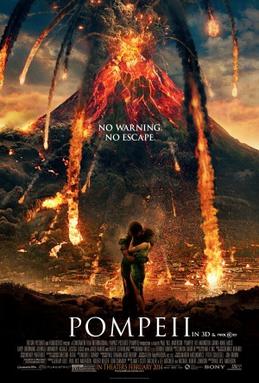
Pompeii Film Review: Ancient Rome's Eruption in 3D
Step back in time to 79 A.D., to a bustling Roman port city living unknowingly on borrowed time. When director Paul W. S. Anderson unleashed Pompeii (marketed as Pompeii in 3D) in 2014, he aimed to deliver an epic blend of historical disaster, gladiatorial action, and star-crossed romance, all against the breathtakingly destructive backdrop of Mount Vesuvius’s infamous eruption. If you're looking for a cinematic spectacle that brings ancient history to life with a dramatic flair, delving into the chaos and heroism of the final moments of Pompeii, then this film might just be your next watch. For those keen to explore its details further, a quick search for Pompeii Imdb will provide a comprehensive look at its cast, crew, and audience reception.
Unearthing the Story: A Gladiator's Fight Against Fate and Fury
At its core, Pompeii tells the compelling, albeit fictionalized, tale of Milo (played by Kit Harington), a former slave and now an invincible gladiator. His journey begins brutally in Britannia in 62 A.D., witnessing the massacre of his Celtic tribe by Romans led by the cruel Corvus. Seventeen years later, Milo, known as "the Celt," finds himself bound for Pompeii, a vibrant city on the cusp of unimaginable destruction.
Upon his arrival, fate intertwines Milo's path with Cassia (Emily Browning), the beautiful and spirited daughter of a wealthy merchant. Their connection is immediate and palpable, yet their love is fraught with insurmountable obstacles. Not only do they come from vastly different social strata – a common theme in ancient Roman narratives – but Cassia has also been unwillingly betrothed to Senator Corvus (Kiefer Sutherland), the very man responsible for Milo's tragic past. Corvus, now a corrupt and powerful Roman senator, represents the oppressive forces that stand between Milo and his chance at happiness and revenge.
The film skillfully sets up this intricate web of personal drama, building tension between the lovers, the gladiator and his nemesis, and the citizens of Pompeii and their impending doom. As Mount Vesuvius, portrayed with chilling grandeur, begins to stir, Milo's personal battles inside the gladiatorial arena transform into a desperate race against time. He must fight not only for his own survival but also to save Cassia from the clutches of Corvus and the inferno raining down upon their city. It’s a classic narrative arc: the underdog hero fighting for love and justice amidst an overwhelming natural catastrophe, a formula designed to elicit strong emotional responses from the audience.
The film opens with a poignant reminder of the real tragedy, showing plaster casts of Pompeii's victims, immediately grounding the fictional story in historical gravitas. This initial scene, coupled with the detailed recreation of 79 A.D. Pompeii, helps to establish an immersive historical context, even as the narrative veers into dramatic license for entertainment. For a deeper dive into the film's narrative beats, explore our article on Pompeii (2014) Plot Summary: Gladiator's Love in Chaos.
Visual Spectacle and the Power of 3D: Bringing Ancient Rome to Life
Paul W. S. Anderson, a director known for his visually driven films and penchant for immersive action, truly leverages his expertise in Pompeii. The decision to market the film explicitly as Pompeii in 3D was no mere gimmick; it was a promise to deliver an unprecedented level of visual immersion into one of history’s most devastating natural disasters. The film’s production, a German-Canadian-American collaboration, clearly spared no expense in bringing the ancient city and its destruction to spectacular life.
From the bustling marketplaces and grand villas to the claustrophobic confines of the gladiatorial arena, the set design and visual effects are undoubtedly the film’s strongest assets. The recreation of 79 A.D. Pompeii feels authentic and vibrant, transporting viewers directly into the heart of Roman civilization. This attention to detail creates a strong foundation for the impending chaos. However, it is the depiction of Mount Vesuvius’s eruption that truly takes center stage.
The sequence of the eruption is a masterclass in disaster movie spectacle. Ash clouds billow, lava flows relentlessly, and pyroclastic surges tear through the city with terrifying force. Buildings crumble, ships are swallowed by tsunamis, and the sheer scale of devastation is portrayed with visceral intensity. The 3D aspect, while sometimes hit or miss in other films, genuinely enhances the experience here, adding depth to the falling ash and flying debris, making the audience feel almost present in the catastrophe. The gladiatorial combat scenes, too, are expertly choreographed and brutal, providing thrilling interludes of human-on-human violence before the ultimate confrontation with nature’s fury. The film effectively uses these action sequences not just for excitement, but to highlight Milo's strength, determination, and his unwavering resolve to protect Cassia.
This commitment to visual grandeur ensures that even if the narrative occasionally treads familiar ground, the sheer spectacle of Ancient Rome collapsing under a rain of fire and ash remains unforgettable. It’s a testament to the power of cinematic effects to both entertain and educate, sparking interest in the real historical event behind the drama.
Cast Performances: Faces Behind the Roman Drama
A film of this scale requires a robust cast to anchor its dramatic elements, and Pompeii delivers with a mix of established stars and rising talents. The central performances are crucial in making the audience invest in the story amidst the widespread destruction.
- Kit Harington as Milo: Harington, fresh off his rising fame in "Game of Thrones," brings a compelling intensity to the role of Milo. He embodies the classic stoic hero, a man of few words but profound conviction. His physicality is convincing in the gladiatorial scenes, portraying both strength and agility. More importantly, he conveys Milo’s deep-seated desire for revenge against Corvus and his tender, unwavering love for Cassia, making him a protagonist easy to root for.
- Emily Browning as Cassia: Browning portrays Cassia not merely as a damsel in distress but as a woman with agency and spirit. She is intelligent, compassionate, and defiant against the societal expectations and the manipulative advances of Corvus. Her chemistry with Harington is believable, adding a necessary romantic heart to the unfolding tragedy.
- Kiefer Sutherland as Corvus: Sutherland relishes his role as the slimy, corrupt Roman Senator Corvus. He delivers a performance steeped in villainy, radiating arrogance and cruelty. Corvus is a character you love to hate, providing a tangible human antagonist to complement the natural disaster. Sutherland’s experience in playing complex characters shines through, making Corvus a memorable, albeit despicable, figure.
- Supporting Cast: The film is bolstered by a strong ensemble. Carrie-Anne Moss (as Aurelia, Cassia’s mother) and Jared Harris (as Severus, Cassia’s father) add depth to the merchant family navigating political intrigue and impending doom. Adewale Akinnuoye-Agbaje as Atticus, a fellow gladiator and Milo's ally, provides a powerful presence and a compelling subplot of friendship and shared fate. Jessica Lucas as Ariadne, Cassia's loyal handmaiden, further enriches the personal stories. Their collective performances help flesh out the world of Pompeii beyond just the central romance and action.
The cast effectively balances the melodrama with the historical setting, making their struggles and triumphs resonate, even as the world literally crumbles around them. For more details on the talented individuals who brought this story to life, check out our article on Pompeii 2014 Cast & Story: Kit Harington's Epic Role.
Beyond the Eruption: Themes and Impact
While often categorized primarily as a disaster movie, Pompeii intricately weaves several timeless themes into its narrative, elevating it beyond mere spectacle. At its heart, it explores the enduring power of love against insurmountable odds, bridging vast social divides and defying cruel fate. Milo and Cassia's romance serves as a poignant reminder that even in the face of absolute destruction, the human desire for connection and belonging persists.
Revenge is another potent theme, driving Milo's character arc from the moment his family is massacred. His personal vendetta against Corvus provides a compelling human conflict that runs parallel to the natural disaster. This juxtaposition highlights the petty nature of human cruelty when compared to the raw, indiscriminate power of nature. Corruption, embodied by Corvus, further illustrates the moral decay within the Roman elite, presenting a stark contrast to the integrity and heroism found in the enslaved gladiators.
Upon its release, Pompeii received mixed critical reception, with many praising its visual effects and action sequences but noting its adherence to familiar genre tropes. However, it achieved considerable success at the box office, particularly internationally, solidifying its place as a visually stunning historical epic. Its legacy lies not just in its cinematic achievements but also in its ability to reignite interest in the actual historical event of the Vesuvius eruption. The film, despite its fictionalized drama, serves as an accessible gateway for many to learn more about the archaeological site of Pompeii and the lives of those who perished there.
For those who enjoy historical epics, disaster films, or romantic action-adventures, Pompeii offers a thrilling ride. It’s a film best experienced for its grand scale, its relentless pace, and its commitment to delivering an immersive, albeit fictional, account of one of history’s most dramatic moments. It reminds us of the fragility of human existence and the indomitable spirit of those who face overwhelming adversity.
Conclusion
Pompeii (2014) is more than just a historical account; it's a cinematic experience designed to transport viewers to a pivotal moment in history with high-stakes drama and breathtaking visuals. Paul W. S. Anderson's direction ensures a thrilling ride, from the brutal gladiatorial arena to the catastrophic eruption of Mount Vesuvius. While the narrative might embrace familiar archetypes of love, revenge, and heroism, the film's strength lies in its relentless pacing, compelling performances from Kit Harington and Emily Browning, and the unforgettable portrayal of nature's wrath. It's an ideal watch for anyone seeking an immersive ancient world spectacle, offering both heart-pounding action and a touching romance amidst utter devastation. If you're ready to witness Ancient Rome's dramatic final moments in spectacular 3D, Pompeii is certainly worth experiencing. For further insights into the film's detailed plot or cast information, don't forget to visit our related articles, Pompeii (2014) Plot Summary: Gladiator's Love in Chaos and Pompeii 2014 Cast & Story: Kit Harington's Epic Role.