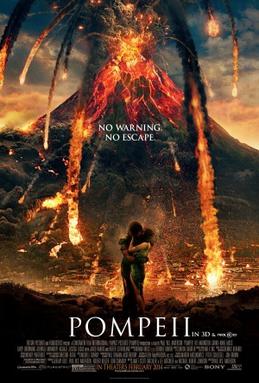
Pompeii (2014) Plot Summary: Gladiator's Love in Chaos
In the annals of cinematic history, few events capture the imagination quite like the catastrophic eruption of Mount Vesuvius in 79 A.D., which famously entombed the Roman city of Pompeii. Director Paul W. S. Anderson brought this historical disaster to the big screen in 2014 with "Pompeii," a thrilling blend of historical epic, romance, and disaster movie. Often searched as "Pompeii Imdb" for details on its compelling cast and storyline, this film plunges viewers into a world of gladiatorial combat, forbidden love, and a race against nature's most destructive forces. At its heart, "Pompeii" tells the poignant story of Milo, a slave turned gladiator, and his desperate fight to save the woman he loves as the world around them quite literally crumbles.
The movie begins with a stark, haunting visual – plaster casts of Vesuvius's victims, a somber reminder of the real human tragedy that inspired the film, before diving headfirst into the narrative. It’s a powerful opening that immediately grounds the dramatic events in historical reality, setting a grave tone for the chaos to come.
The Seeds of Vengeance: Milo's Brutal Origin
The narrative of "Pompeii" isn't just about a city's destruction; it's deeply personal, forged in the fires of vengeance. We are first introduced to Milo (portrayed with brooding intensity by Kit Harington, known for his role in *Game of Thrones*) not as a gladiator, but as a young Celtic boy in Britannia, 62 A.D. His peaceful tribe is brutally massacred by Roman forces led by the cruel and ambitious Senator Corvus (Kiefer Sutherland). In a chilling act, Corvus personally takes Milo's mother's life, leaving the boy as the sole survivor. This traumatic event scars Milo, planting the unshakeable desire for revenge that will fuel his journey.
Captured and sold into slavery, Milo is forced into the brutal world of gladiatorial combat. Seventeen years later, he has grown into a formidable warrior, known as "The Celt" for his unmatched skill and ferocity in the arena. His talent catches the eye of Graecus, a slave owner, who sees in Milo a champion capable of captivating the crowds in Pompeii. Thus, Milo is transported to the bustling port city, unaware that destiny, love, and his sworn enemy await him there. This backstory is crucial; it not only explains Milo's fighting prowess but also imbues his later actions with a deeper, more personal motivation beyond mere survival.
A Glimmer of Love in the Lion's Den
Upon his arrival in Pompeii, Milo's path intertwines with Cassia (played by Emily Browning), the beautiful and spirited daughter of a wealthy merchant. Their first encounter is a chance meeting on the road, where Milo's compassion for a fallen horse demonstrates a nobility beyond his slave status, immediately captivating Cassia. Their connection is instant, a spark of forbidden love in a city defined by rigid social stratification. Cassia, a woman of wealth and status, is far above Milo, a mere gladiator.
However, social class isn't their only barrier. Cassia has been unwillingly betrothed to the very man who murdered Milo's family: Senator Corvus. Now a powerful and corrupt figure in Rome, Corvus arrives in Pompeii, ostensibly to discuss investments, but primarily to claim Cassia as his bride. His presence casts a sinister shadow over the city, and his relentless pursuit of Cassia creates escalating tension with Milo, who recognizes his tormentor. The film masterfully builds this romantic conflict, juxtaposing the pure, nascent love between Milo and Cassia against the dark ambition and corruption embodied by Corvus. The stage is set for a dramatic clash, not just between two men, but between love and tyranny, freedom and enslavement. For more on the compelling actors who brought these characters to life, you might enjoy reading
Pompeii 2014 Cast & Story: Kit Harington's Epic Role.
The Arena and the Rising Fury of Vesuvius
Life in Pompeii revolves around its grand arena, and Milo, alongside his newfound ally Atticus (Adewale Akinnuoye-Agbaje), another formidable gladiator, is forced to fight for the entertainment of the Roman elite. Their battles are brutal, showcasing the raw power and desperation of the gladiators. As Milo’s reputation grows, so does his notoriety, drawing the attention of both the admiring public and the suspicious Corvus. Corvus, recognizing Milo, makes it his mission to ensure the gladiator’s demise in the arena, viewing him as a threat to his authority and his claim on Cassia.
Amidst the human drama and gladiatorial spectacle, subtle, then increasingly overt, signs of Mount Vesuvius's impending eruption begin to surface. Earth tremors shake the city, cracks appear in buildings, and distant rumbles echo – ignored or dismissed by many as mere superstition. The tension builds on two fronts: the personal vendetta between Milo and Corvus, and the looming, unstoppable natural catastrophe. The film brilliantly uses this duality, showcasing the petty cruelties and ambitions of mankind playing out beneath the shadow of an indifferent, awakening giant. The climax of the gladiatorial games is scheduled to coincide with a grand festival, a celebration that will soon turn into a desperate fight for survival.
A City Crumbles: The Race Against Oblivion
The moment Vesuvius unleashes its fury, the film transforms into a full-blown disaster epic. The eruption is depicted with visceral, terrifying force: torrents of ash, superheated volcanic bombs raining down, devastating earthquakes, and a colossal tsunami that engulfs the harbor. Pompeii, once a vibrant city, rapidly descends into chaos and destruction. Buildings collapse, people panic, and the once-orderly streets become a death trap.
Amidst this apocalyptic landscape, Milo, having survived the initial onslaught of the arena’s destruction, embarks on a desperate mission to save Cassia. His path is fraught with peril; he must navigate collapsing structures, evade panicked crowds, and fight off Roman soldiers loyal to Corvus, who sees the chaos as an opportunity to finally eliminate Milo and secure Cassia. Cassia, meanwhile, is trapped with Corvus, forced to confront his villainy directly as the city burns around them.
The film's final act is a relentless chase through a city being torn apart, leading to a climactic showdown between Milo and Corvus against the backdrop of Pompeii's destruction. It's a testament to human resilience and the enduring power of love even in the face of insurmountable odds. The tragic, yet poignant, ending sees Milo and Cassia embrace their fate, forever immortalized in the ashes, embodying the film's central theme of a love that defied both social strata and the wrath of nature. To understand more about the critical reception and 3D aspects of this visual spectacle, explore
Pompeii Film Review: Ancient Rome's Eruption in 3D.
Conclusion
"Pompeii (2014)" delivers an epic and emotionally charged plot summary of a love story forged in fire and ash. It's a tale of revenge, forbidden romance, and the sheer destructive power of nature, all meticulously recreated against the backdrop of one of history's most famous natural disasters. While taking some liberties for dramatic effect, the film effectively captures the grandeur of Roman society and the terrifying reality of the Vesuvius eruption. The performances by Kit Harington, Emily Browning, and Kiefer Sutherland anchor the intense narrative, making Milo and Cassia's desperate struggle profoundly moving. For those seeking a compelling historical disaster film with a strong romantic core, "Pompeii" offers an unforgettable cinematic experience. You can find more comprehensive details, cast lists, and user reviews by searching "Pompeii Imdb" and diving into the rich tapestry of this thrilling historical drama.